Health & Safety
Comprehensive advice for a safe and worry-free journey.
Pre-Trip Health Planning
Preparing your health for an African safari is just as important as packing your bags. We strongly recommend visiting a travel clinic or your GP at least 4-6 weeks before departure to update your vaccinations and discuss malaria prophylaxis.
Vaccinations
- Yellow Fever: Mandatory if arriving from a country with risk of yellow fever (e.g., Kenya, Ethiopia). You must present your yellow card at immigration.
- Routine Vaccines: Ensure you are up to date with Tetanus, Diphtheria, Polio, and MMR.
- Recommended: Hepatitis A & B, Typhoid. Rabies is generally not needed for standard safaris but consider it if you plan extensive interaction with animals or remote village stays.
Malaria Prevention
Malaria is present in most parts of Tanzania below 1,800m. Prevention is a two-step process: prophylaxis and bite prevention.
- Meds: Take anti-malarials (like Malarone or Doxycycline) as prescribed.
- Cover Up: Wear long sleeves and pants after dusk.
- Repel: Use insect repellent with 30%+ DEET.
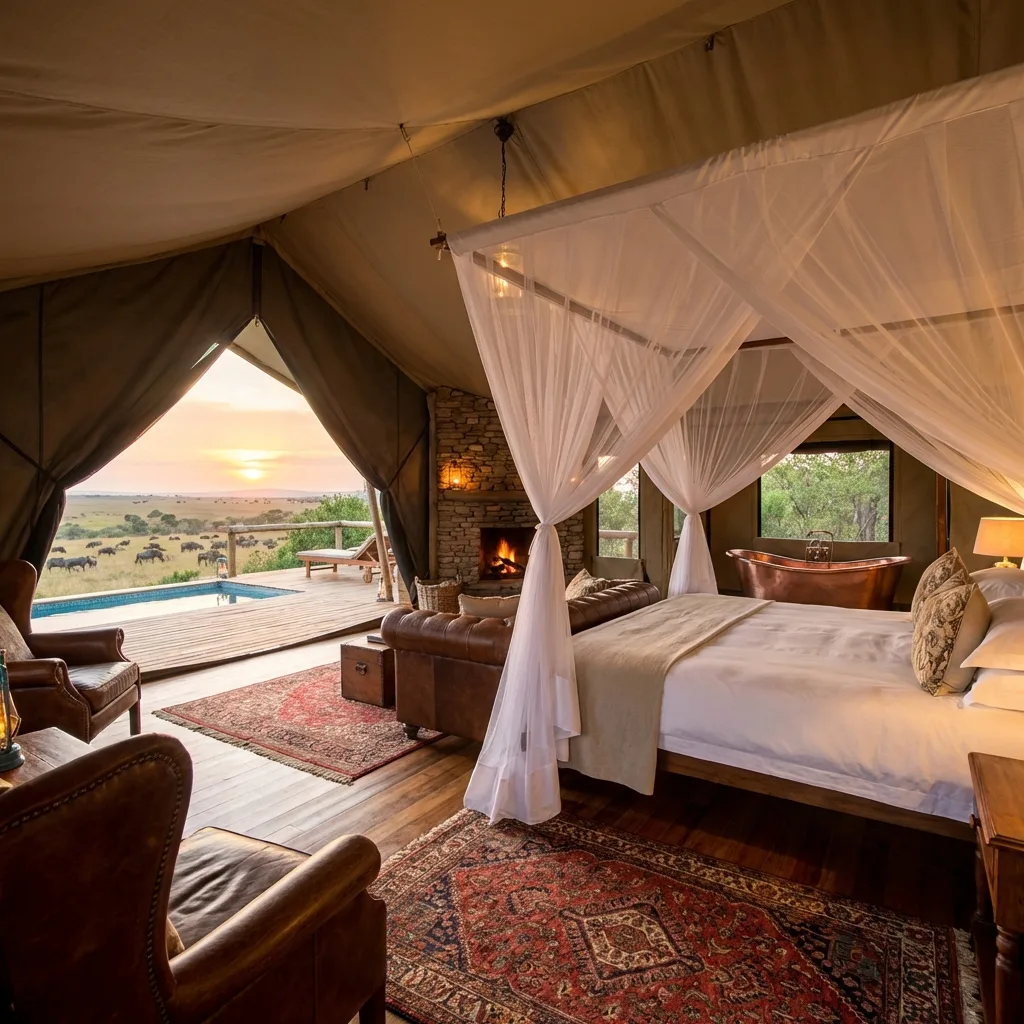
- Nets: Sleep under the treated mosquito nets provided in all our accommodations.
Emergency Evacuation Coverage
We take your safety seriously. Every client travelling with Illashimwe Adventure is automatically enrolled in AMREF Flying Doctors Tourist Evacuation scheme.
This provides immediate air evacuation from the bush to a high-standard hospital in Nairobi or Dar es Salaam in the event of a critical medical emergency. Please note: This is transport only. You must still have comprehensive travel insurance to cover medical bills and hospital stays.
Food & Water Hygiene
Traveler's diarrhea is the most common ailment, but it is easily avoidable.
- Drinking Water: Never drink tap water. We provide unlimited bottled mineral water in our safari vehicles. Use bottled water for brushing teeth as well.
- Fresh Produce: In our partner lodges, salads and fruits are washed with purified water and are safe to eat. Avoid street food that looks uncooked or has been sitting out.
- Dietary Needs: We cater to all dietary requirements including gluten-free, vegan, and nut allergies. Please inform us in advance so our chefs can prepare.
Sun & Hydration
The equatorial sun is stronger than you think, especially at high altitudes (like Ngorongoro or Kilimanjaro).
- Drink at least 3-4 liters of water per day.
- Wear a wide-brimmed hat and quality sunglasses.
- Apply high-factor sunscreen (SPF 30-50) frequently.
Safety on Safari
Wild animals are dangerous. While incidents are extremely rare, following rules is essential:
- Never leave the vehicle unless told to do so by your guide.
- Do not stand up when the vehicle is moving.
- Keep your voice low to avoid stressing the animals.
- At lodges, never walk alone at night—ask for a guard (askari) to escort you to your room.